Blog

Forgotten Tools of PR Trade

In an era of shrinking newsrooms and disappearing travel budgets, PR pros are increasingly having a hard time finding editors and reporters who have the time and resources to attend a tradeshow or visit a company's headquarters.

What many PR Pros forget to remember is you have the ability to take your clients to the newsroom!

Once forgotten with the advent of 'new media' desk side visits are an opportunity to PR professionals and their clients to visit writers and reporters in the newsroom or magazine headquarters.

While these meetings don't guarantee stories on clients, my experience has found them to be valuable and cost-effective relationship-building sessions that have generated increased media requests for interviews with clients who previously flew under the radar of most reporters.

Desk-side briefings are relatively easy to arrange,  however included below are a few do's and don'ts: 

  • DO time them when your client has news to break or opinions on timely topics.
  • DO provide media training to your key spokespeople before the trip to hone your key messages. Even executives accustomed to talking to reporters have found the training crucial. It's especially important when two executives are making the visits together to avoid embarrassing contradictions.
  • DO provide background information on all reporters on the itinerary, including recent articles they've written. Reporters inevitably perk up when their work is cited.
  • DO leave behind easy-to-access contact information and succinct background data, and follow up just as aggressively as you arranged the desk-sides. Otherwise, reporters are likely to quickly forget about your client when they turn to the next story.
  • DON'T overlook the key trade media covering your client's industry. Often several outlets from a common publisher work in the same building, multiplying the number of placements that result from the visit.
  • DON'T fret if breaking news causes a reporter to cancel at the last moment. That doesn't faze the client if you have a busy schedule of visits, and the reporter may be more receptive to your next call because they remember - or you remind them of - the last-minute cancellation.
  • DON'T pack the schedule so tightly that travel delays, interruptions or longer-than-expected interviews put you behind schedule, jeopardizing key interviews.

http://www.catapultpr-ir.com/

http://www.catapultpr-ir.com/blog/


Social Media Tools and PR

Social media tools are crucial for PR firms to provide a fast, cost effective form of promotion. How to get started building online strategies? We've previously talked about listening, but worth repeating, to start there:

  • Listening - Twitter, Filtrbox, LinkedIn, Google Reader (for blogs) help monitor the conversations circling their industry and the agency itself. Setting up search terms and reviewing them frequently can keep you informed and manage communications crisis quickly. Set up accounts and start listening.
  • Contributing - to blogs, and responding to LinkedIn Q&A's and news articles promote thought leadership.
  • Publication - Tell your story. Create great content; publish releases, case studies and stories to the web via the wire and RSS feeds. One of our releases had 2900 hits on the feeds (as reported by Post Zinger). Online presence increases by tagging articles on DiggDelicous and other sites.

Social media tools used to promote consistent, quality messaging are supplements to traditional PR methods. Excellent branding, positioning, writing and most important actual relationships with key influencers are still critical to brands growth.

Video on the Web - Are you Ready?

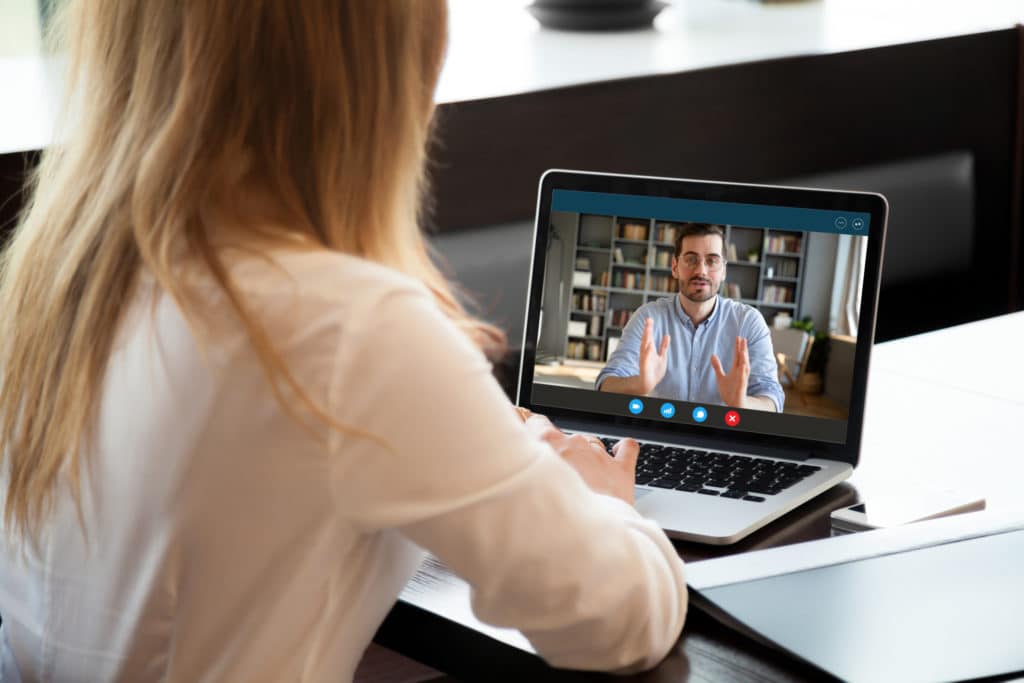
At Catapult, we have seen an increasing number of organizations start to inquire about our rich media webcasting services.

Interesting.

A couple years ago, we would get responses like "hmmm, that's kinda cool." Or "that's "cute."" Now, we are seeing savvy companies that are interested not only in saving money through the use of webcasting (an important consideration these and all days), but, that also are interested in taking it one step further by considering and using video as part of the webcasting offering.

YouTube has a lot to do with this. So does the increase in network bandwidth across most organizations.

But, most importantly, it has to do with leaders of companies who see an opportunity to position their organization in a more human way. By putting themselves out there for all to see. It helps distinguish them as leaders. As innovators. As forward-thinking companies.

We say it's time to embrace this new way of thinking. Besides Catapult, there are many service providers who offer this type of service. Some are more affordable and flexible than others. But, all are worth exploring.

We invite you to learn more at our site and at others on the Web.

Because the next wave of communication is going to incorporate video.

Are you ready to fully embrace it?


Sample Rich Media Presentation:
New Media Tools for Investor Relations - Rimas presenting to NIRI

Keep the PR Fire Burning

Every industry is facing demanding challenges right now. The important thing for tech companies no matter what their size (small - big - start-ups) is to remain visible in 2009 through marketing and PR efforts. Such efforts will help you stay connected with the most important people, i.e., the users and buyers of your technology products and services. Instead, now is the time to actually increase your visibility through marketing and PR efforts for your company and products. The worst thing companies can do now is to go quiet. It can give potential customers, partners and other important constituents the impression that your company is *not* doing well (along with providing ammunition for your competition). Also, you lose all the mindshare and awareness you just worked so hard to create. Remember, perception is reality.

Social media PR begins with listening

Increasingly, we are asked about how to embrace the new Social Media. There's blogs, Twitter, Digg, Delicious, RSS and the list goes on. So, what's the best way to get started? Funny, it's the same simple rule that any form of communications follows: Listening. Traditionally, PR agencies have monitored publications and websites for client mentions. The growth of social media, provides an instant opportunity to hear what others are saying about your company, clients, competitors and industries. Before you embark on any social media campaign, it's important to listen and hear what is being said. That way, you can properly position your remarks and choices in the most appropriate and effective way.

The first step? If you haven't done so already, set up your Google Reader and start listening to hear what topics are creating a buzz in your industry. If your company is okay with it, start commenting on some blogs you follow, remembering to be transparent about your identity.

To get started on Google Reader:
http://www.google.com/help/reader/tour.html